Posture Assessment

Posture Assessment

Your posture plays a crucial role in your overall health, mobility, and quality of life. Poor posture can lead to chronic pain, restricted movement, and long-term musculoskeletal issues. Here’s why assessing and correcting your posture matters:

Types of Posture & Their Impact:

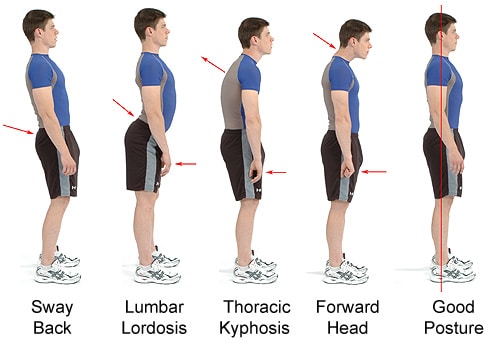
  • Sway Back: The pelvis shifts forward while the upper body leans backward, exaggerating the curve in the lower spine and creating a misaligned posture. This position can lead to spinal instability, hip and knee stiffness. Common symptoms can include lower back pain, reduced balance, and discomfort in the hips and knees.

  • Lumbar Lordosis: An excessive inward curve of the lower spine caused by hyperextension in the lumbar region and limited spinal mobility. It can lead to instability, lower back pain, and postural imbalances.

  • Thoracic Kyphosis: A pronounced outward curve of the upper spine accompanied by rounded shoulders. Often caused by prolonged poor posture, it can result in upper back pain, stiffness, and reduced thoracic mobility.

  • Forward Head: The head shifts forward in front of the shoulders, placing strain on the neck and upper spine. Commonly linked to screen use and slouching, it may lead to neck tension, headaches, and spinal misalignment.

  • Good Posture: Head stacked over shoulders, natural spinal curves, pelvis neutral. Promotes balanced alignment, reduces strain, and improves movement and posture efficiency.

Why Act Now?

Untreated posture issues worsen over time, increasing pain and reducing mobility. Early correction improves energy, confidence, and long-term physical health.